
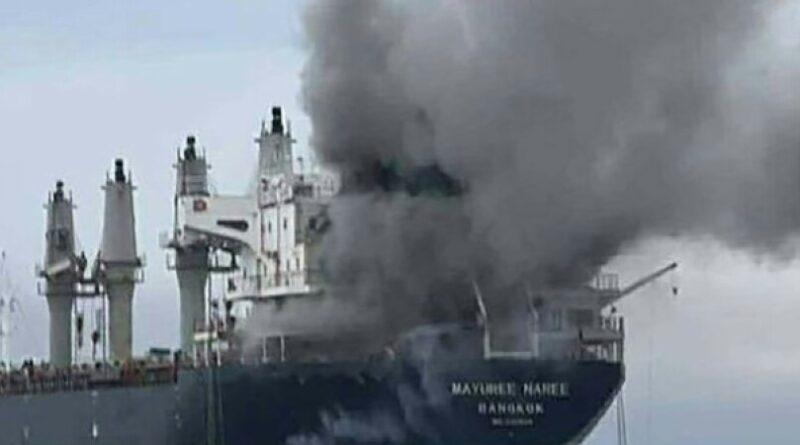
Emirati oil tanker attacked by two Iranian drones in latest escalation
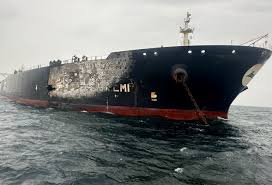
An Emirati oil tanker has been hit by Iranian drones in the Strait of Hormuz as tensions in the vital shipping route skyrocket.
The United Arab Emirates have blamed the Iranian Revolutionary Guard Corps for the attack with the foreign ministry saying it is “Economic blackmail that amounts to piracy.”
The United States have said that it is ready to “guide” commercial ships through the Strait of Hormuz in a new effort to end the blockade wreaking havoc on the global economy.
The US-led Joint Maritime Information Center advised ships to cross the strait in Oman’s waters, saying it had set up an “enhanced security area.” The American military has said the initiative might involve guided-missile destroyers, more than 100 aircraft and 15,000 service members but has not specified what kind of assistance or escorts it would provide ships.
The decision by the United Arab Emirates to leave the OPEC oil cartel shook up the 65-year-old alliance that produces some 40% of the world’s crude oil and exerts major influence over the price of energy around the globe.
The UAE plans to carry on with its long-held goal of increasing crude production “in a gradual and measured manner, aligned with demand and market conditions.”
Right now, that’s academic as far as oil prices go, since Iran is still blocking the Strait of Hormuz, which means much of the oil from Persian Gulf producers such as the UAE cannot be exported. But the departure could have long-term effects on oil prices.

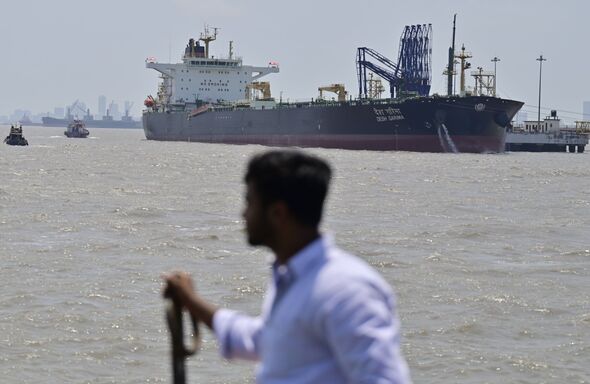
Tehran is holding fast of the Strait of Hormuz (Image: Getty)
Emirati oil tanker attacked by two Iranian drones in latest escalation
The world is watching as the US and Iran face off over control of the Strait of Hormuz
Iran’s stranglehold on the Strait of Hormuz has been felt across the world (Image: Getty)
An Emirati oil tanker has been hit by Iranian drones in the Strait of Hormuz as tensions in the vital shipping route skyrocket.
The United Arab Emirates have blamed the Iranian Revolutionary Guard Corps for the attack with the foreign ministry saying it is “Economic blackmail that amounts to piracy.”
The United States have said that it is ready to “guide” commercial ships through the Strait of Hormuz in a new effort to end the blockade wreaking havoc on the global economy.
The US-led Joint Maritime Information Center advised ships to cross the strait in Oman’s waters, saying it had set up an “enhanced security area.” The American military has said the initiative might involve guided-missile destroyers, more than 100 aircraft and 15,000 service members but has not specified what kind of assistance or escorts it would provide ships.
The decision by the United Arab Emirates to leave the OPEC oil cartel shook up the 65-year-old alliance that produces some 40% of the world’s crude oil and exerts major influence over the price of energy around the globe.
The UAE plans to carry on with its long-held goal of increasing crude production “in a gradual and measured manner, aligned with demand and market conditions.”
Right now, that’s academic as far as oil prices go, since Iran is still blocking the Strait of Hormuz, which means much of the oil from Persian Gulf producers such as the UAE cannot be exported. But the departure could have long-term effects on oil prices.

Tehran is holding fast of the Strait of Hormuz (Image: Getty)
The statement from the UAE foreign ministry reads:”This attack constitutes a flagrant violation of UN Security Council resolution 2817, which affirmed the importance of freedom of navigation, and rejected the targeting of commercial vessels or the obstruction of international maritime routes.
“Targeting commercial shipping and using the Strait of Hormuz as a tool of economic coercion or blackmail represents acts of piracy by Iran’s Revolutionary Guard Corps, and constitutes a direct threat to the stability of the region, its peoples, and global energy security.”