

Gen Z Is Choosing Pets Over Children
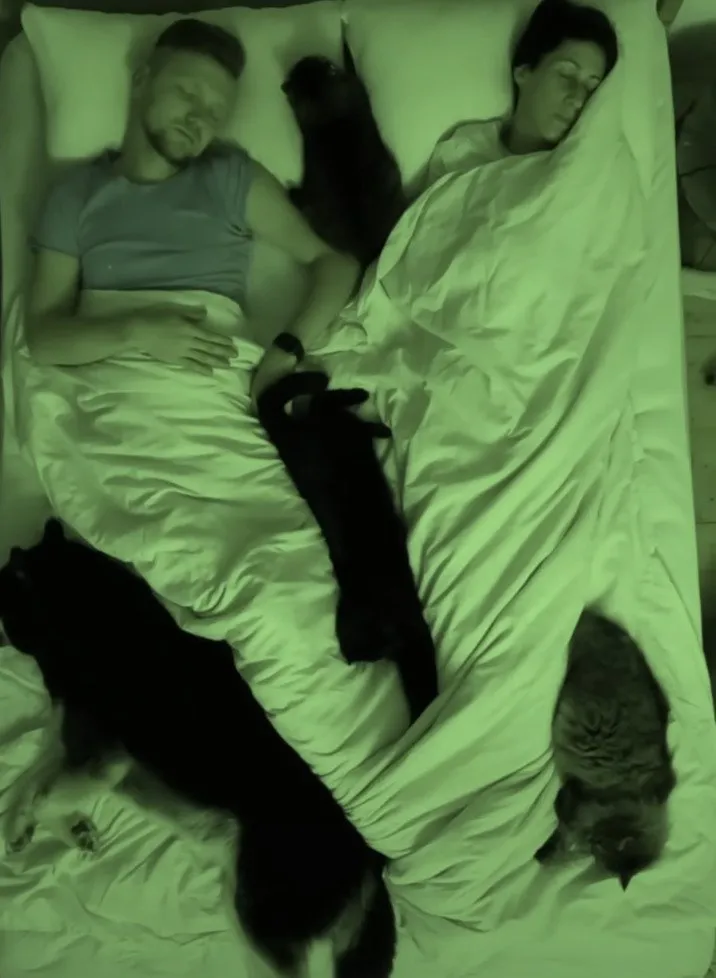
Generation Z members jump from job to job, engage in unorthodox relationships and are likely to travel internationally as “digital nomads,” recent reports have found.
At the same time, many in this generation, which consists of those 12 to 27, are not starting families in their 20s and choosing to become pet parents instead.
A new survey of Gen Z-ers in the U.S. and Canada found that 4 in 10 said marriage wasn’t a necessity. And only 38 percent said they would prioritize starting a family over raising a pet, according to the report from the website Best Ontario Casino Sites.
This reluctance to start a family likely stems from the economic environment Gen Z-ers find themselves in. They have faced some of the highest inflation in decades, and the housing market remains out of reach for the vast majority of young Americans.
“Rampant inflation and the high cost of living are making major life decisions like parenthood seem impossible and financially burdensome,” Michael Ryan, a finance expert and founder of MichaelRyanMoney.com, told Newsweek.

In addition, Gen Zers are often paying off sky-high student loans and taking starting jobs with very low starting salaries.
Ryan said many of the Gen Zers he’s counseled face significant student debt, stagnant wages and a general uncertainty about their long-term career prospects, which makes having kids seem not very sensible.
“Having kids represents a massive financial commitment that many simply don’t feel equipped to take on right now,” Ryan said. “Pets offer the companionship and responsibility of caring for another life but at a much lower cost.”
Gen Zers are also prioritizing flexibility and personal growth before settling down, Ryan said.
“The dating scene has been transformed by apps that create an endless stream of romantic prospects,” Ryan said. “Why rush into family life when you can spend these years discovering yourself and your passions?”
This, plus Gen Zers’ different attitude about accumulating material things, compared with previous generations, does not set up a perfect scenario for raising a family.
“Lifestyle shifts such as Gen Z valuing experiences over possessions doesn’t compute well to having children that would likely hinder their ability to be flexible and pursue new experiences,” marriage and family therapist Rachel Goldberg told Newsweek.
While some say that a younger generation’s decision to delay marriage and parenthood is a sign of social breakdown, others think that’s not necessarily a bad thing.
“If this trend buys Gen Z time to establish themselves as adults first, we could see more stable home environments down the road when they do decide to have children,” Ryan said.
Still, low birth rates can lead to labor shortages and a strain on social safety nets, as well as a real estate crisis.
“Many parents on social media show the challenges of raising children, sending the message that parenting isn’t all it’s cracked up to be,” Goldberg said. “All the fun memes and jovial videos make having kids seem less appealing than sitcoms of the ’80s and ’90s.”
They’re not eating the dogs and cats, but they are loving them like never before. The Trump administration has announced that they are considering ways to encourage young people to have children with two legs. Instead, the reality is that increasingly those young people are content with having one or more pets.

More young people are opting to have pets than babies
A 2024 Harris Poll demonstrates that 43 percent of millennials will choose or have chosen pets over children. Another survey indicates 67 percent prefer having a pet or pets to a child or children. The most significant explanation, finances (42 percent according to the Harris Poll). Pets don’t need a college savings fund. And while it’s true that the cost of pet food and veterinary care have risen at or above inflation levels, it’s still way less expensive than a child.
According to SoFi Lean, the average cost of raising a child in the U.S. as of 2024 was approximately $23,000 per year. That means the typical expense of nurturing a child to age 18 would be $414,000.(Note: sources vary on exact numbers but all are close to the same).
According to Bankrate, while caring for and feeding a pet is higher than ever before – nearly 5K a year – that is still significantly less than a child.
According to the Harris Poll, other factors do play a substantial role for those opting for a pet or pets over a child or children:
- Pets are less of a responsibility than children, 39 percent
- It’s not the right time in my life to have children, 35 percent
- I choose to be child-free, 32 percent
- Raising a pet gives me more fulfillment, 22 percent
- Pets are a lifetime commitment, 13 percent

The number of homes with at least one pets is at 67 percent, and most pet parents are millennials or Gen Z. Literally only about have that number, 39 percent, of U.S. family households include at least one child under 18 years.
While the economics is the most significant factor opting for pets instead of children, it’s not the only explanation. The government is floating an idea of $5,000 per family to to get pregnant or to raise a child. I am not a sociologist and can’t tell you if 5K will make a difference. For some it might, but we’ve seen before that when the government “pays off” people to have children, at least some do it for all the wrong reasons.
If the government is going that route, then wouldn’t it be nice if somehow the government offered a tax credit for pet adoptions?
I get it – pets are not going to be the workers of tomorrow – who incidentally will keep social security afloat. And some nations where the birth rates are down are struggling, but not nearly as much as nations where there is overpopulation.
I’m unsure I can claim that I have a solution. But I do know the human animal bond is more intense than ever. And the term fur babies is literal for millions of Americas; for better or worse their pets are their babies.